

From its earliest years, Rolex understood something that many luxury brands would only formalize decades later: credibility is not built solely through advertising, but through association with real achievement. Long before the term “brand ambassador” entered the marketing lexicon, Rolex watches were already accompanying pioneers whose feats naturally embodied the maison’s core values, precision, endurance, and reliability.
In the early years of the brand’s history, the watch was not presented as a decorative accessory, but as a technical instrument capable of withstanding extreme conditions. These were not endorsements in the contemporary sense of the word; they were functional partnerships rooted in performance.
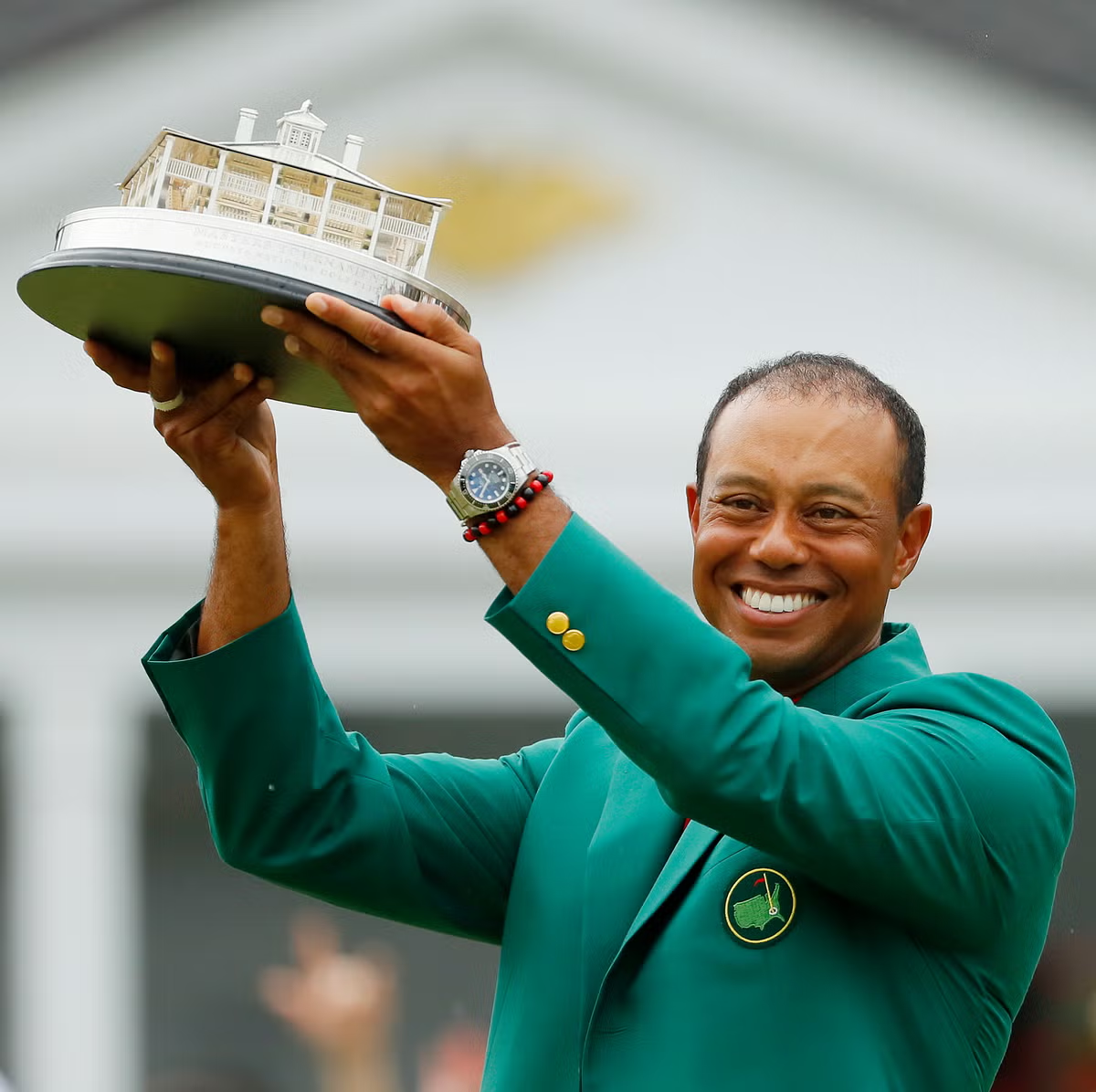
Only later did Rolex formalize this philosophy into a structured network of “Testimonees,” a term the brand still uses today. From golfing greats such as Tiger Woods to prominent figures in the arts and sciences, Rolex has cultivated long-term relationships based not on fleeting visibility, but on enduring excellence. The strategy was already clear: the watch was to be perceived as a companion to achievement, not as a product seeking attention.
The Power of Unscripted Visibility: When Celebrities Chose Rolex
If institutional partnerships built authority, spontaneous celebrity adoption amplified desirability.
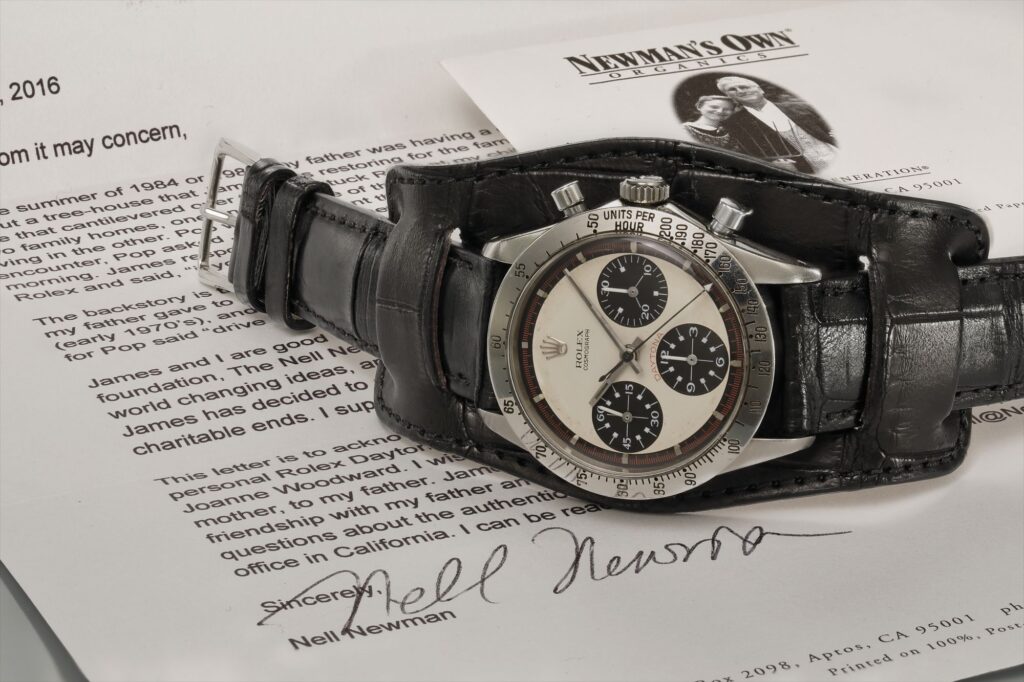
The most emblematic case remains that of Paul Newman. The actor and racing driver personally purchased and wore his manual-wind Daytona references at a time when the model was far from being a commercial success. Rolex did not create the Newman myth; collectors did. Over time, images of the actor wearing his Daytona, at racetracks and in everyday life, transformed the perception of the watch. The association was authentic, retrospective, and therefore extraordinarily powerful.
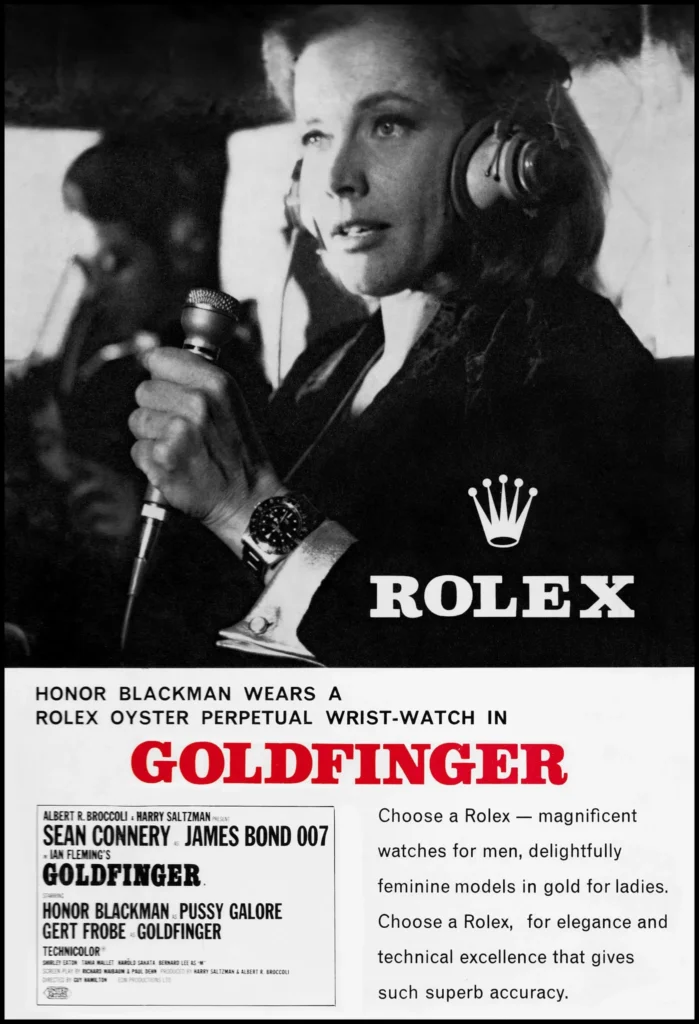
Cinema also offered a fundamental chapter. Before luxury brands perfected product placement strategies, Sean Connery, in the role of James Bond, appeared on screen wearing a Rolex Submariner, not because of contractual obligations, but because it suited the character. In Goldfinger, Honor Blackman, portraying Pussy Galore, wore a Rolex GMT-Master reference 6542 with a bakelite bezel, helping embed the brand in the cultural imagination of the 1960s. These were not orchestrated campaigns, but moments that consolidated Rolex’s symbolic presence in popular culture.
Over the decades, actors, drivers, artists and public figures have worn Rolex watches in both private and public settings without formal ties to the brand. This phenomenon, spontaneous adoption, has arguably been one of Rolex’s most valuable assets. The watch became a symbol not because it was imposed, but because it was chosen.
The Institutional Strategy: Cinema, Sport and Contemporary Icons
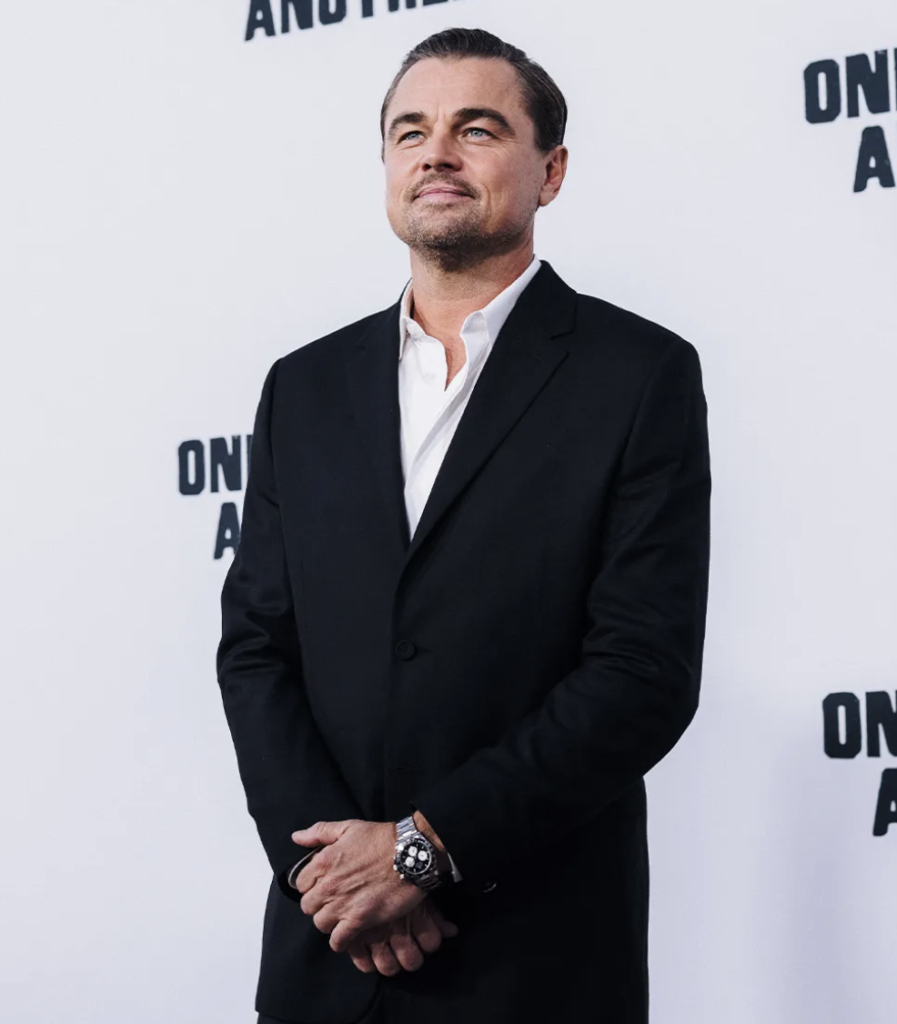
While organic visibility strengthened the brand’s aura, Rolex simultaneously developed an extremely structured partnership strategy. In recent years, the maison has expanded its presence in global cinema, welcoming figures such as Zendaya and Leonardo DiCaprio into the Rolex family. Their inclusion signals a deliberate reinforcement of Rolex’s position within contemporary Hollywood, combining cultural influence, artistic credibility, and generational appeal.
The relationship with cinema, however, extends far beyond recent additions. Long-standing Testimonees such as Martin Scorsese and James Cameron represent a deeper alignment with storytelling and exploration. Cameron, in particular, embodies Rolex’s historical connection to technical performance and extreme environments. The Rolex Deepsea D-Blue, often nicknamed the “James Cameron”, symbolically commemorates his descent into the Mariana Trench, merging narrative, engineering, and personal achievement.
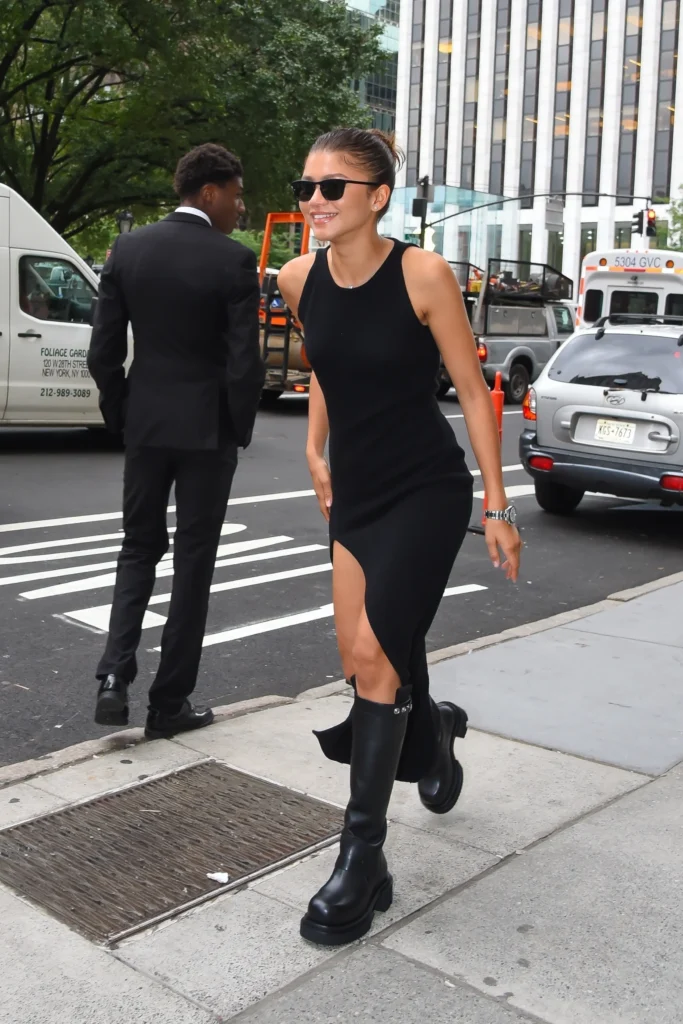
Sport represents another fundamental pillar, with tennis occupying a privileged position. The brand’s long-standing sponsorship of Wimbledon reflects its affinity with tradition, precision, and excellence. Today, Carlos Alcaraz and Jannik Sinner, widely regarded as the talents destined to define the next generation, stand among Rolex’s leading ambassadors. Both have recently been seen wearing Rolex Cosmograph Daytona models with Oysterflex bracelets, reinforcing the link between contemporary athletic dominance and the Daytona’s racing heritage.
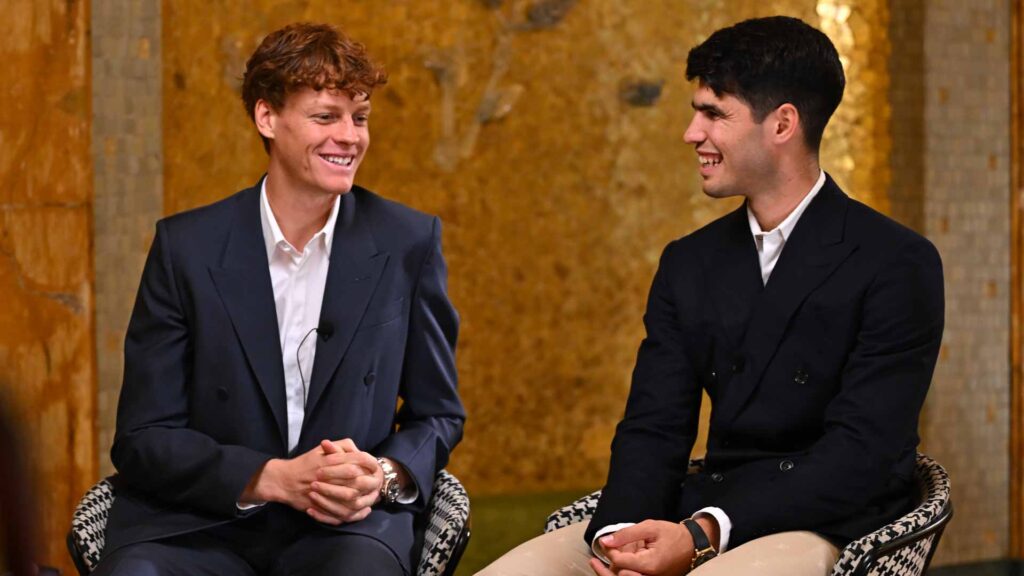
These official collaborations reveal a brand that balances heritage and modernity. Rolex does not chase immediacy; it cultivates longevity. Each partnership appears incremental, selective, and strategically aligned with an enduring concept of excellence.
The Federer Paradigm: Longevity, Credibility and Controlled Hype
Among all official partnerships, the one with Roger Federer remains the most emblematic. More than twenty-five years ago, Rolex chose a young Swiss player destined to rewrite the history of tennis. The collaboration has spanned ascent, dominance, and retirement, representing a rare example of strategic continuity in modern marketing.
What distinguishes this partnership is authenticity and restraint. Even today, at public and private events alike, Federer remains inseparable from the brand. The endorsement has evolved into embodiment: Rolex is not simply worn, it is integrated into his personal narrative.
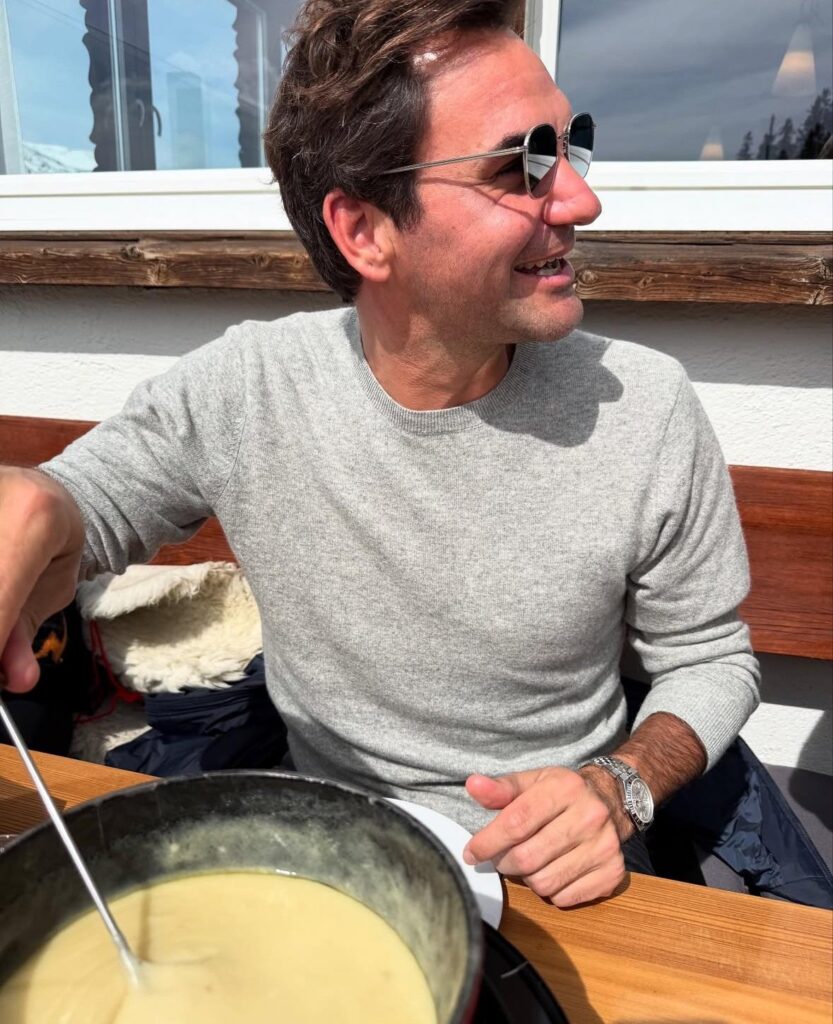
Through this relationship, Rolex has also demonstrated a subtle evolution in communication strategy. In 2025, before the official presentation of the Land-Dweller, Federer was photographed wearing the model in seemingly candid images. The photographs generated immediate speculation and anticipation. Whether accidental or strategic, the episode demonstrated Rolex’s ability to build interest through credibility and suggestion rather than overt campaigns.
Today, Rolex operates on a dual track: high-profile institutional partnerships and spontaneous celebrity adoption. The brand avoids overexposure while remaining culturally central. It does not chase trends; it consolidates legacy. If a new face joins the Rolex family in the future, it will likely be chosen not for momentary relevance, but for the potential to leave a lasting mark.
Follow us on our social media channels to stay up to date with the latest news from the world of watchmaking, and discover what’s new on Watchype.
