

A Vision Beyond a Single Brand
François-Paul Journe’s upcoming museum project is generating significant interest in the horological world. This is not merely a space to celebrate his brand; it is envisioned as a collection that narrates pivotal moments in watchmaking history through pieces of extraordinary technical and cultural importance. Recent Geneva auctions have offered a glimpse of this ambition: we know that Journe acquired at least two historic watches, one from Phillips in May and one from Sotheby’s in November, however much remains shrouded in mystery.
Historical Acquisitions at auction
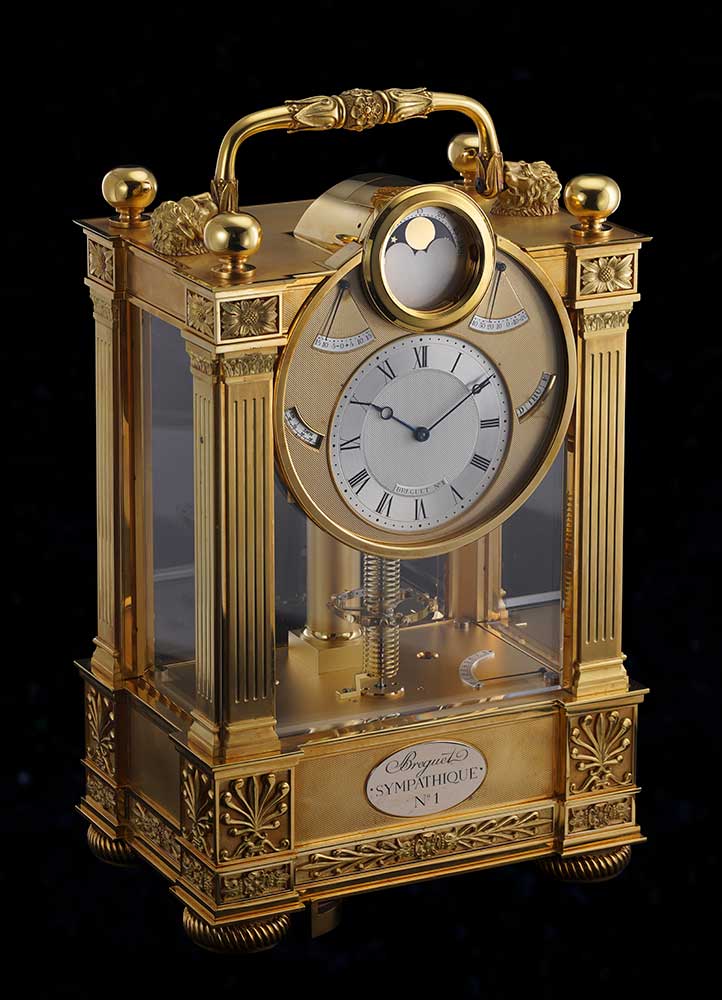
The first piece, sold by Phillips for more than 5 million Swiss francs, is the Sympathique no. 1, a remarkable piece made by Journe himself in 1991. This wonder marks a turning point in independent watchmaking and showcases once more the thrilling abilities of Monsieur Journe.
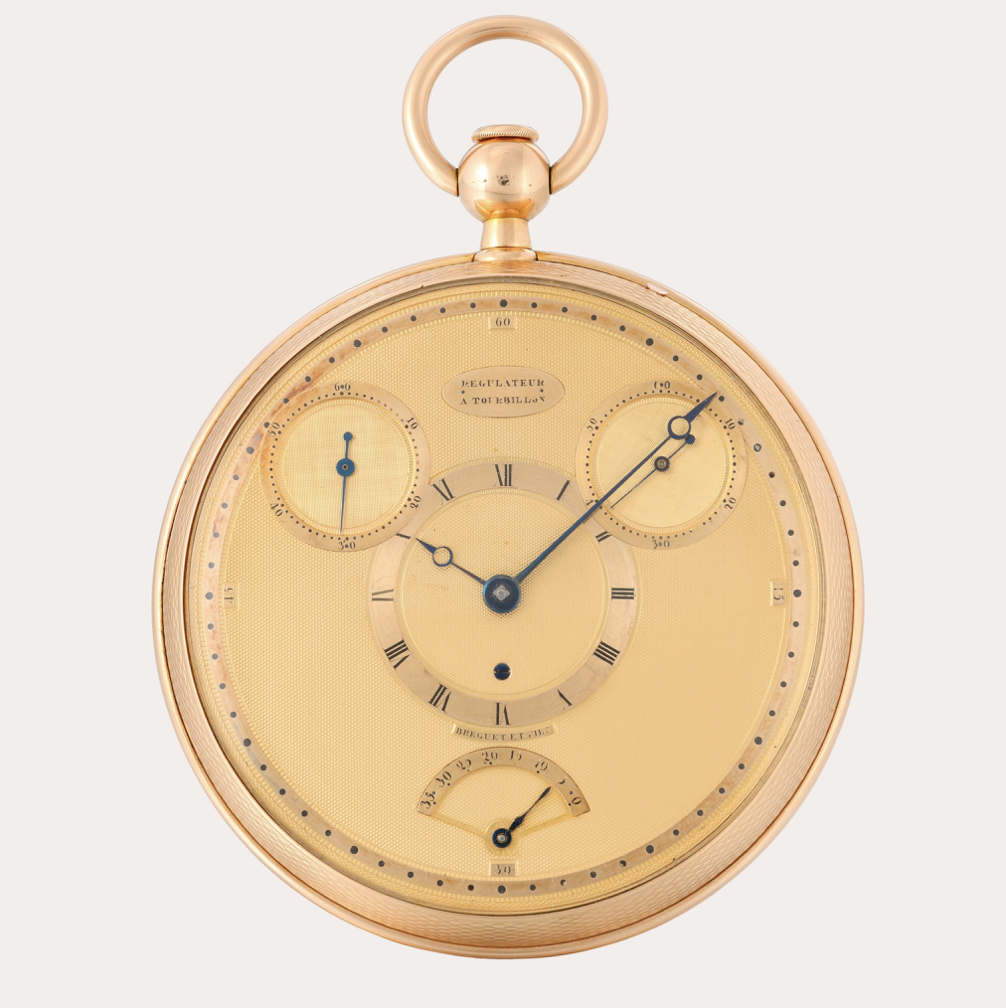
The second acquisition, from Sotheby’s “A Celebration of Breguet’s 250th Anniversary”, F.P. Journe bought one of the most important and significant watches in the history of watchmaking, the Breguet n. 1890, a pocket watch that combines, among other features, a tourbillon and natural escapement, dating back to the first decade of 19th century.
A Museum with a Broader Horizon
These watches are not just brand icons; they are milestones in a creative path that redefined the boundaries of contemporary horology. However, it appears that the museum will not be a “single-brand temple.” It is plausible that space will be dedicated to other independent watchmakers, aligning with Journe’s philosophy of championing creative freedom and technical innovation. This approach sets it apart from major brand museums such as the Musée Breguet in Paris and the Patek Philippe Museum in Geneva.
A Cultural Statement in the World of Time
The decision of an independent watchmaker to open a museum sends a powerful message: it is not only about safeguarding personal heritage but creating a space for dialogue between past and future, between historical masters and contemporary artisans. In an era where watchmaking is often perceived as mere luxury, initiatives like this restore cultural depth and invite reflection on the value of time—and the ideas that measure it.
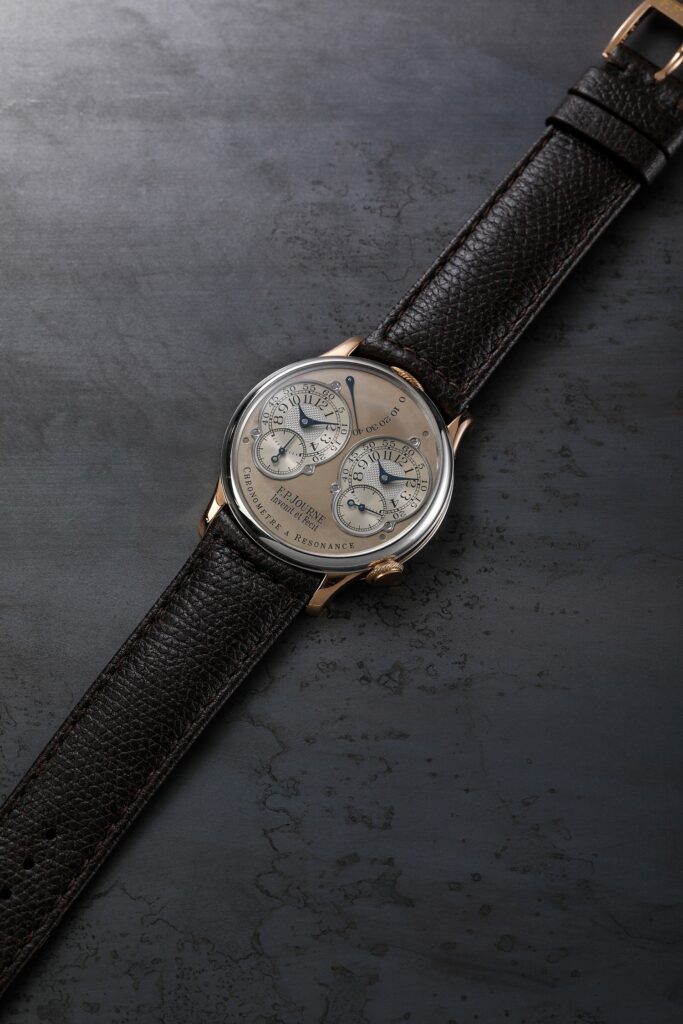
The lingering question remains: what other treasures has Journe acquired privately? And which pieces from his personal collection will he choose to share? Answers will come only with the museum’s opening on 2026, but one thing is certain: it will become an essential destination for anyone who views watchmaking as both art and science.
“Forty-three years ago, I completed my first tourbillon. I’m proud to have acquired at auction the most beautiful tourbillon by Abraham-Louis Breguet, and to be able to pay tribute to his genius in the future F.P. Journe museum.”
François-Paul Journe
Follow us on our social media channels to stay up to date with the latest news from the world of watchmaking, and discover what’s new on Watchype.
